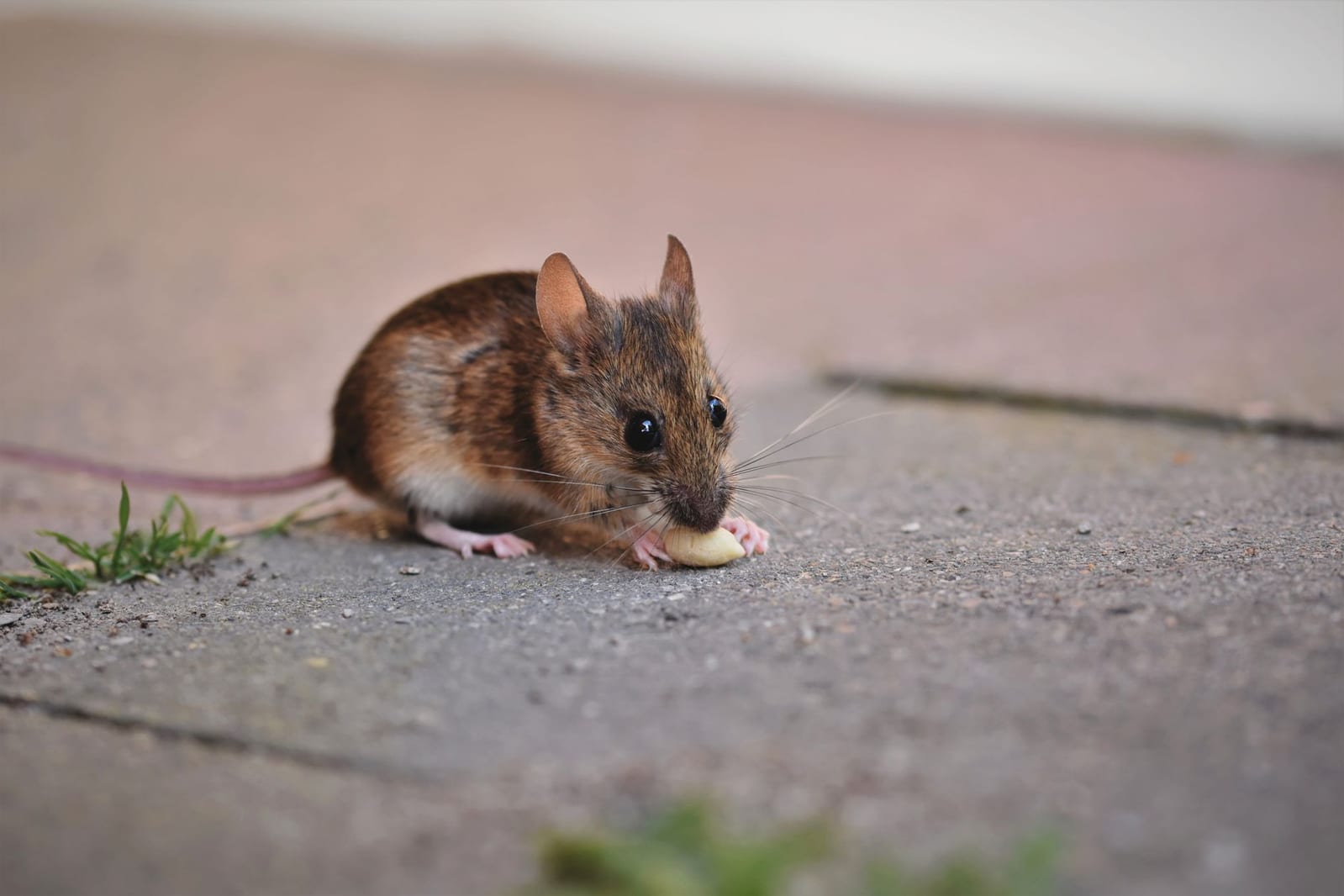
Rodent control in Inwood: what to know
Inwood sits at Manhattan's northern tip beside Inwood Hill Park — the only natural forest left on the island — so homes here see more wildlife pressure (squirrels, raccoons) alongside the usual urban rodents and roaches.
Pre-war apartment stock along Dyckman Street and Seaman Avenue has the deep voids and shared plumbing that let cockroaches and mice move between units.
The park edge means seasonal mosquito and tick pressure for ground-floor and garden apartments.
How much does rat & mouse control cost in Inwood?
$200–$1,200
One-time baiting: $200–$500. Exclusion (baiting + entry-point sealing): $400–$900. Ongoing monitoring: $100–$200/month. NYC per-treatment overall: $300–$1,200 (avg ~$475). National per-visit average: $345 (range $216–$495).
| One-time baiting | $200–$500 per treatment |
| Exclusion (baiting + sealing) | $400–$900 per treatment |
| Ongoing monitoring | $100–$200 per month |
NYC pest-control pricing tends to run higher in Manhattan than in Brooklyn or Queens — tier-2 NYC industry sources cite roughly a 10–20% premium, attributed to building-access logistics (walk-ups, elevators, doorman/board approval) and labour costs. This is directional signal from industry blogs, not an independently verified figure — confirm with a quote for your specific building.
Market range — not our quote
This is a market range synthesised from published cost guides — not a quote from this provider. The actual price depends on an in-person or photo-based inspection.
Angi's $345 average (range $216–$495) is the only tier-1, NYC-geo-targeted figure found and is notably lower than the tier-2 NYC blogs' $300–$1,200 claim. Both are shown — do not collapse into a single misleadingly precise number.
What drives the price
- Baiting-only vs full exclusion (sealing entry points)
- Number of visits needed for heavy infestation (3–5 visits can total $700–$1,500)
- Building type / density
- Ongoing monitoring plan vs one-off
Signs you need rodent control
- Droppings along baseboards, under sinks, or near aging plumbing runs
- Gnaw marks or grease (rub) marks at deep baseboard gaps
- Scratching in shared wall voids, especially at night
- Rodent activity increasing near buildings closest to the 125th Street or Lenox Avenue restaurant corridor
How we treat rodent control in Inwood
Harlem's housing is dominated by pre-war apartment buildings, historic brownstones and walk-ups — handsome buildings with deep baseboard gaps, shared wall voids and aging plumbing that let rodents travel freely between units. That construction reality is the starting point for every rodent inspection we run here: the entry point is rarely just your kitchen, it's the building's shared infrastructure.
The dense restaurant and retail corridor along 125th Street and Lenox Avenue adds constant food-source pressure that feeds rodent populations into the surrounding residential blocks — which means a Harlem rodent problem is often connected to what's happening a block or two away, not just conditions inside your own building.
Local landmarks & coverage
We serve all of Inwood and the surrounding Manhattan area — including Inwood Hill Park, Dyckman Street, Isham Park — across ZIP codes 10034, 10040.