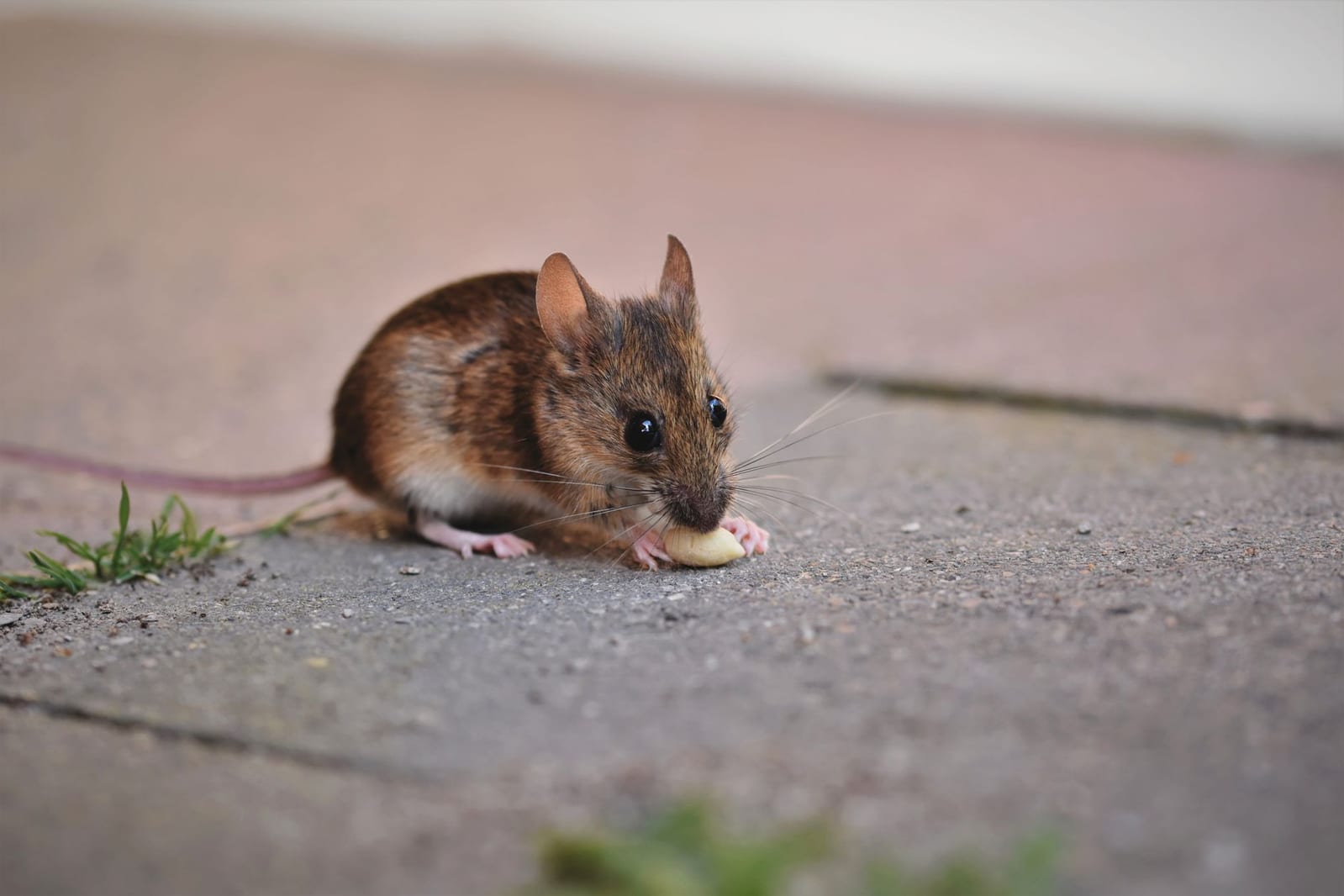
Harlem's housing is dominated by pre-war apartment buildings, historic brownstones and walk-ups — handsome buildings with deep baseboard gaps, shared wall voids and aging plumbing that let rodents travel freely between units. That construction reality is the starting point for every rodent inspection we run here: the entry point is rarely just your kitchen, it's the building's shared infrastructure.
The dense restaurant and retail corridor along 125th Street and Lenox Avenue adds constant food-source pressure that feeds rodent populations into the surrounding residential blocks — which means a Harlem rodent problem is often connected to what's happening a block or two away, not just conditions inside your own building.
We treat the active population, seal the baseboard gaps and plumbing penetrations specific to this older housing stock, and factor in proximity to the 125th Street/Lenox Avenue corridor when assessing how likely reinfestation is without ongoing exclusion work.
What actually keeps rats and mice out of a New York City apartment?
Sealing entry points is the foundation of rodent control: the CDC notes a mouse can fit through a hole the width of a pencil — about 1/4 inch or 6 millimeters across — so even gaps that look far too small for a rodent are enough to let mice in. Trapping or baiting without sealing these openings only treats the symptom. (CDC — Seal Up to Prevent Rodents)
In New York City, property owners are legally required to keep rats out of homes. The Health Department designates Rat Mitigation Zones — areas of high rat activity where City agencies concentrate resources — and lets residents report a rodent problem online through 311 to trigger an inspection. (NYC Health — Rats)
The US EPA's prevention guidance is to deny rodents food, water and shelter, then seal holes inside and outside the home to keep them out — something as simple as plugging small openings with steel wool or patching holes in interior and exterior walls. Removing nesting sites such as leaf piles and deep mulch removes the harborage rodents depend on. (US EPA — Identify and Prevent Rodent Infestations)
Mice and rats are recognized indoor asthma triggers, not just a nuisance: NYC Housing Preservation & Development lists mice and rats among the common allergens that can cause or worsen asthma, and under Local Law 55 of 2018 owners of buildings with three or more apartments must keep tenants' units free of pests and the conditions that attract them. (NYC HPD — Indoor Allergen Hazards (Mold and Pests))
Trapping vs baiting vs exclusion — what's the right rodent strategy?
| Snap trapping | Rodenticide baiting | Exclusion / sealing | |
|---|---|---|---|
| Where the rodent ends up | In the trap — easy to find and remove | Often inside walls or voids, out of sight | Kept outside before it ever enters |
| Secondary-poisoning risk to pets and wildlife | None | Possible if a poisoned rodent is eaten | None |
| Closes the entry point | No — new rodents can re-enter | No — new rodents can re-enter | Yes — pencil-width gaps sealed per CDC guidance |
| Best role | Knock down an active indoor population | Reduce numbers where trapping is impractical | Permanent prevention; pairs with any method |
How much does rat & mouse control cost in NYC?
$200–$1,200
One-time baiting: $200–$500. Exclusion (baiting + entry-point sealing): $400–$900. Ongoing monitoring: $100–$200/month. NYC per-treatment overall: $300–$1,200 (avg ~$475). National per-visit average: $345 (range $216–$495).
| One-time baiting | $200–$500 per treatment |
| Exclusion (baiting + sealing) | $400–$900 per treatment |
| Ongoing monitoring | $100–$200 per month |
Market range — not our quote
This is a market range synthesised from published cost guides — not a quote from this provider. The actual price depends on an in-person or photo-based inspection.
Angi's $345 average (range $216–$495) is the only tier-1, NYC-geo-targeted figure found and is notably lower than the tier-2 NYC blogs' $300–$1,200 claim. Both are shown — do not collapse into a single misleadingly precise number.
What drives the price
- Baiting-only vs full exclusion (sealing entry points)
- Number of visits needed for heavy infestation (3–5 visits can total $700–$1,500)
- Building type / density
- Ongoing monitoring plan vs one-off
Signs you have a rodent control problem
- Droppings along baseboards, under sinks, or near aging plumbing runs
- Gnaw marks or grease (rub) marks at deep baseboard gaps
- Scratching in shared wall voids, especially at night
- Rodent activity increasing near buildings closest to the 125th Street or Lenox Avenue restaurant corridor
Why Harlem sees this
Harlem's pre-war apartment buildings, brownstones and walk-ups have deep baseboard gaps, shared wall voids and aging plumbing that let rodents travel freely between units.
The 125th Street and Lenox Avenue restaurant and retail corridor creates constant food-source pressure that feeds rodent populations into the surrounding residential blocks.
Brownstone conversions add a further wrinkle: aging shared plumbing from basements can let rodents (and 'water bugs') rise into upper units, which is why basement-level inspection matters here even when the sighting was on a higher floor.