Home pest control in Inwood: what to know
Inwood sits at Manhattan's northern tip beside Inwood Hill Park — the only natural forest left on the island — so homes here see more wildlife pressure (squirrels, raccoons) alongside the usual urban rodents and roaches.
Pre-war apartment stock along Dyckman Street and Seaman Avenue has the deep voids and shared plumbing that let cockroaches and mice move between units.
The park edge means seasonal mosquito and tick pressure for ground-floor and garden apartments.
How much does residential pest control cost in Inwood?
$40–$900
One-time visit: $150–$500 (varies further by home size, e.g. $250–$450 at 1,000 sq ft up to $450–$750 at 3,000 sq ft). Monthly plan visit: $40–$70. Quarterly plan: $100–$300/visit or $400–$900/year. Initial/first visit under a plan often $150–$300 (sometimes waived on annual contracts).
| One-time visit | $150–$500 per visit |
| Monthly plan | $40–$70 per visit |
| Quarterly plan | $400–$900 per year |
US national figure — NYC typically runs higher.
NYC pest-control pricing tends to run higher in Manhattan than in Brooklyn or Queens — tier-2 NYC industry sources cite roughly a 10–20% premium, attributed to building-access logistics (walk-ups, elevators, doorman/board approval) and labour costs. This is directional signal from industry blogs, not an independently verified figure — confirm with a quote for your specific building.
Market range — not our quote
This is a market range synthesised from published cost guides — not a quote from this provider. The actual price depends on an in-person or photo-based inspection.
US national anchor (ThisOldHouse); direct fetch of Angi's NY-geo-targeted page returned HTTP 403 so its exact NYC figure could not be independently confirmed beyond search-snippet level — treated with extra caution.
What drives the price
- Plan type (one-time vs monthly vs quarterly vs annual contract)
- Home/apartment size
- Infestation severity (mild $100–$500, moderate $300–$700, severe $1,000–$8,000)
- Contract discount (annual contracts sometimes 10–15% below month-to-month)
Signs you need home pest control
- Pest activity that seems to track back to a shared wall, hallway, or basement rather than staying in one room
- Seasonal ant, spider or mosquito pressure in a ground-floor, garden or brownstone-rear unit
- Rodent or roach activity that picked up around the same time as neighbouring units, or near the 125th Street/Lenox Avenue corridor
- Signs recurring after a store-bought treatment failed to hold
How we treat home pest control in Inwood
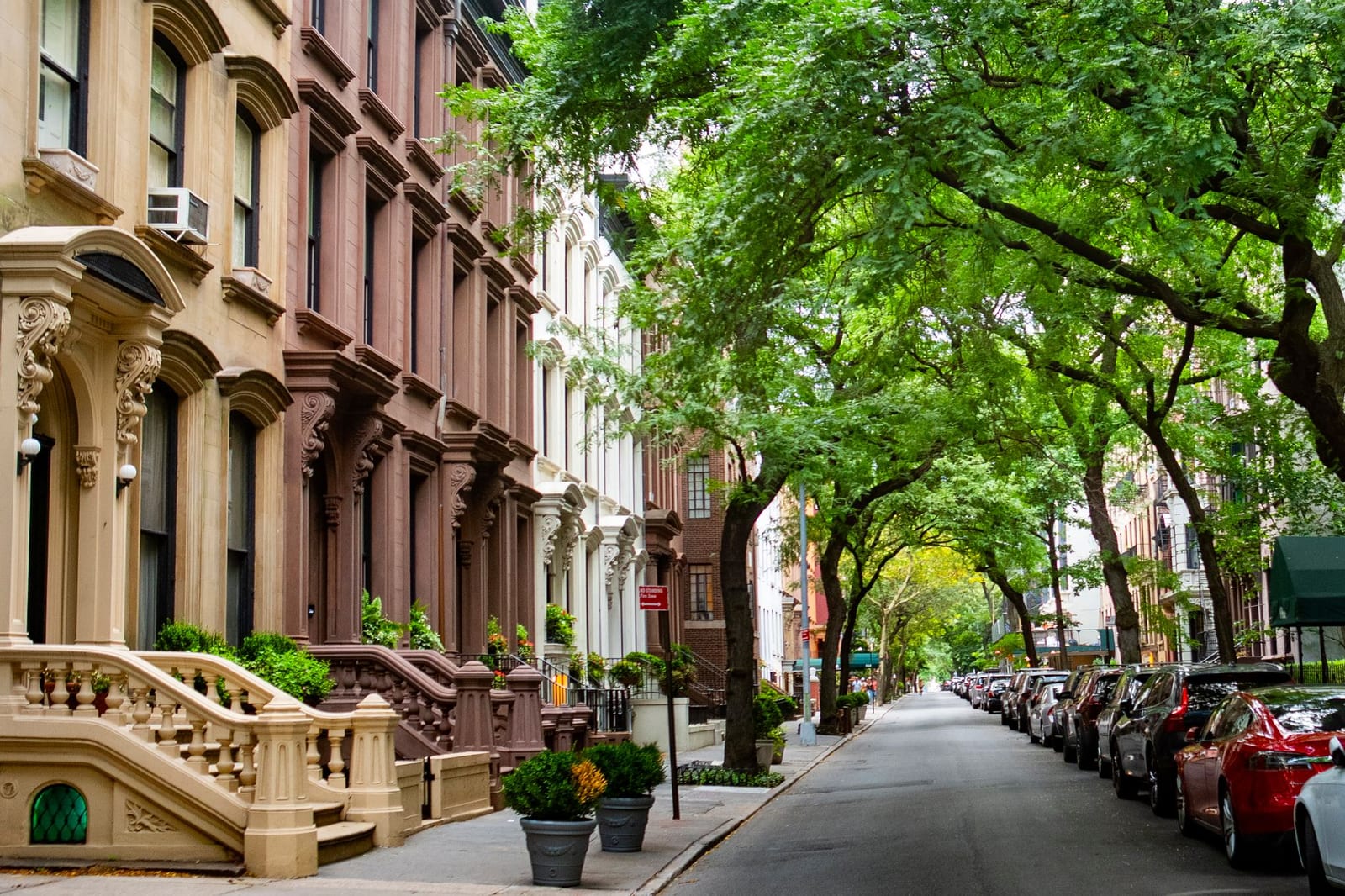
Harlem's housing stock shapes what a residential pest inspection needs to cover. Pre-war apartment buildings, historic brownstones and walk-ups have deep baseboard gaps, shared wall voids and aging plumbing that let rodents and cockroaches travel freely between units, so an inspection here always looks at the building context, not just your unit in isolation.
Where your unit sits in the neighbourhood matters too. Apartments near the 125th Street and Lenox Avenue restaurant and retail corridor carry more rodent and roach food-source pressure from that dense commercial activity. Ground-floor, garden and brownstone-rear units backing onto Marcus Garvey Park, St. Nicholas Park or Morningside Park see more seasonal ant, spider and mosquito pressure from spring through autumn.
Local landmarks & coverage
We serve all of Inwood and the surrounding Manhattan area — including Inwood Hill Park, Dyckman Street, Isham Park — across ZIP codes 10034, 10040.